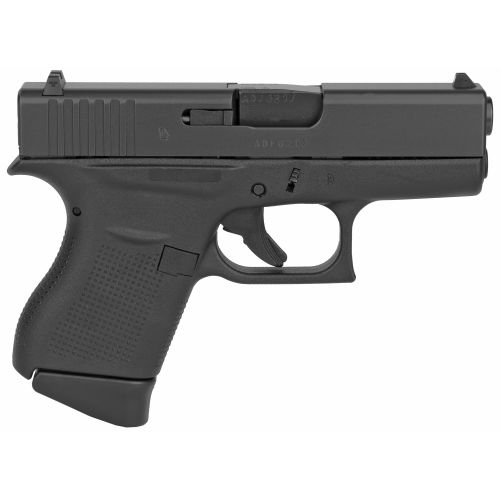
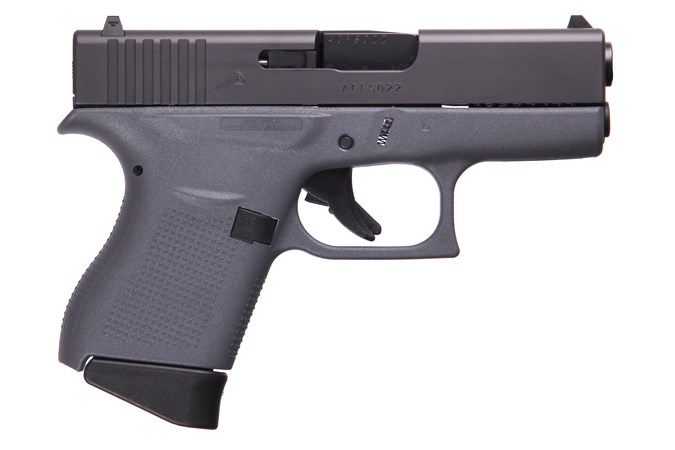
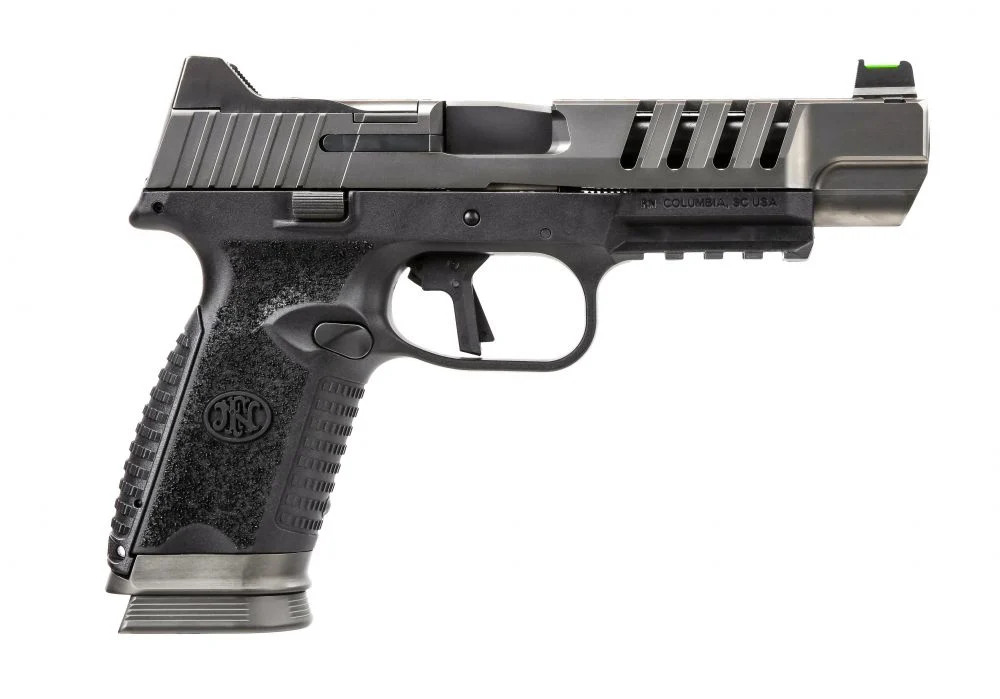
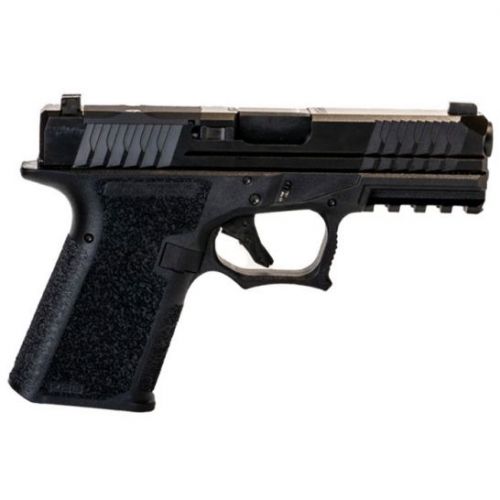
Glock upgrades in the right order
Every Glock owner ends up with the same question: what should I change first? The pistol works as it comes from the box, so upgrades are about shooting it better, not making it run. Money spent in the wrong order buys parts that do not help yet. This is the sequence we recommend, why each step comes where it does, and what to leave alone.
Step 0: shoot it stock
Put 300 to 500 rounds through the pistol before you change anything except the sights. That break-in smooths the trigger and the slide rails, and it teaches you what you actually dislike about the gun rather than what forums told you to dislike. Keep every factory part you remove in a labeled bag; you will want them for resale, for a warranty visit or when a new part turns out to be a mistake.
Step 1: sights
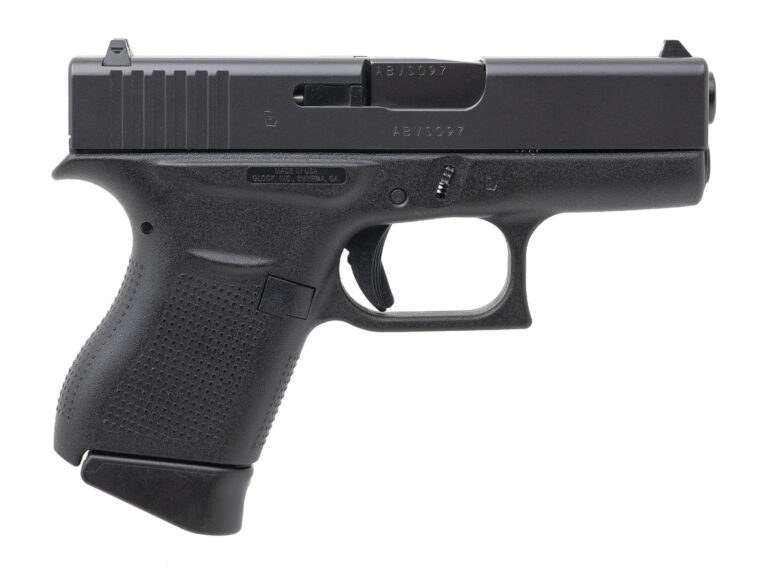
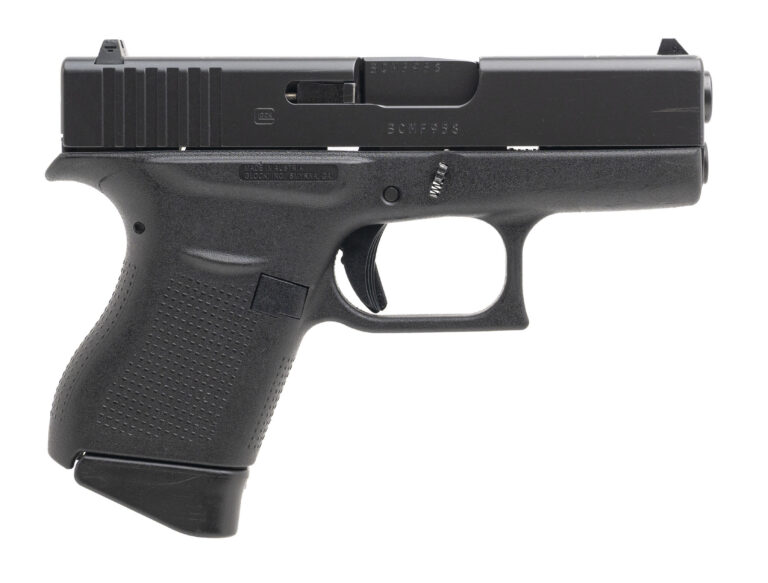
The factory polymer sights are the one part nearly every owner replaces, and for good reason: the rear notch is wide, the front dot is a painted plastic bump, and neither works in poor light. A steel rear sight and a tritium or fiber-optic front are the cheapest change that shows up on the target. Choose night sights for a carry or home-defense pistol and a fiber-optic front with a blacked-out rear for a range or match gun. If you plan to add a red dot later, buy suppressor-height sights now so they co-witness through the optic. The sights guide covers heights, tools and brands.
Step 2: trigger feel
A Glock trigger has a distinct take-up, a wall and a reset, and the factory connector gives a pull around 5.5 pounds. The lawful, drop-in way to improve it is a minus connector, a lighter trigger spring where appropriate, and a polished or aftermarket trigger shoe with a flat face if you prefer one. Together these cost far less than a complete trigger group and remove most of the grit. For a carry pistol, stay at or above about 4.5 pounds and keep the factory firing pin safety and its spring; the pistol's safeties depend on them. Match guns can go lighter with a reduced-power striker spring, at the cost of occasional light primer strikes with hard primers.
Step 3: slide and optic
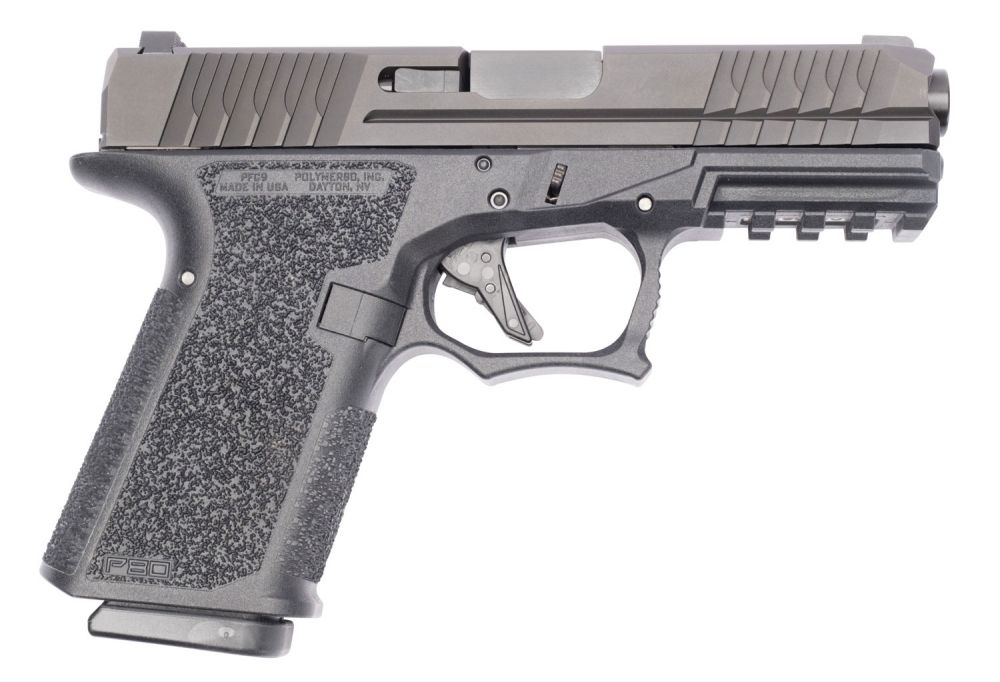
A red dot is the biggest change in how a pistol shoots since the double-stack magazine, and this is where the money goes if you want one. You have three routes: buy an MOS pistol and use its plates, have your factory slide milled for one footprint, or buy an aftermarket slide already cut. A cut slide keeps the factory slide untouched and often adds front serrations, a different profile and a coating. The slide guide walks through footprints and completion parts.
Step 4: barrel
The factory barrel is accurate enough for anything short of bullseye competition. Replace it when you need something it cannot do: threads for a compensator or suppressor, conventional rifling on a Gen 4 or earlier so you can shoot bare lead, a different caliber through a conversion barrel, or a fluted and coated look to match a new slide. A match barrel from a good maker tightens groups a little; it does not fix a flinch.
Step 5: grip
Grip changes are personal and mostly cheap. Grip tape or a rubber sleeve costs a few dollars and is reversible. Stippling is permanent and lowers resale, so do it last and only if tape did not solve the problem. A magwell speeds reloads on a match gun and adds width on a carry gun. A trigger guard undercut and an extended magazine release are small changes that some hands need and others never notice. The grip mods guide ranks them.
Step 6: springs and guide rod
Springs are maintenance as much as upgrade. The recoil spring assembly wears out and should be replaced on a schedule; while you are there, a steel or tungsten guide rod adds a little nose weight that some shooters like, and a lighter or heavier spring tunes the pistol to your load and to a compensator. The guide rod and recoil spring guide lists weights.
What to leave alone
- The firing pin safety and its spring: they are part of the drop safety. Leave them factory.
- The trigger bar's cruciform: polishing is fine; filing or cutting it is how pistols become unsafe.
- Extractor and ejector: replace like for like when worn; there is nothing to gain from changing them otherwise.
- Anything that changes how many rounds fire per trigger pull: illegal, and we do not sell it.
Keep a record
Write down every part you fit, the round count when you fit it and the ammunition you tested it with. A pistol that starts failing after three changes is hard to diagnose from memory, and a buyer of a used pistol will pay more for one with a parts history. A note on the phone is enough. Test every change with at least a hundred rounds of the ammunition you actually use before you trust it for carry or a match.
A sample budget
A sensible first year looks like this: night sights and a sight tool, then a minus connector and a flat trigger, then a red dot with a cut slide or MOS plate if you want one, then a threaded barrel only if you have a use for the threads, then grip tape. Most owners spend more on the optic than on every other part combined, which is why it sits in the middle of the list rather than the start: by the time you reach it you know whether you shoot the pistol enough to justify it.
Browse the parts by category from the Glock parts catalog, and check your state's rules on threaded barrels and magazines on our city pages before ordering.
General information, not legal advice. Current as of September 2026. Laws change; check the official source before you act.