Glock guide rods and recoil springs: weights and replacement
The recoil spring assembly is the one Glock part with a service life measured in rounds rather than decades, and it is also the part shooters change to tune the pistol to a load, a compensator or a lightened slide. This guide explains the factory assemblies by generation, what spring weights do, what a steel or tungsten guide rod adds, and when to replace the whole thing.
Factory assemblies by generation
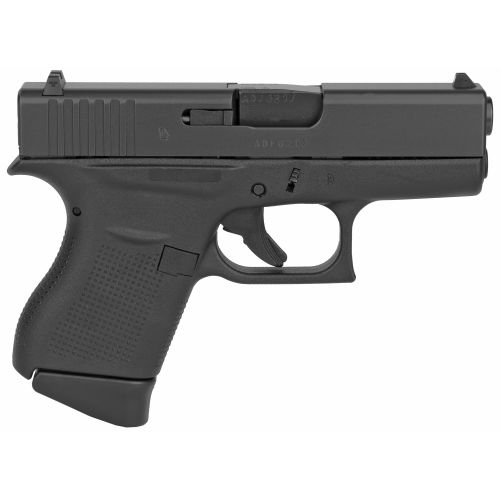
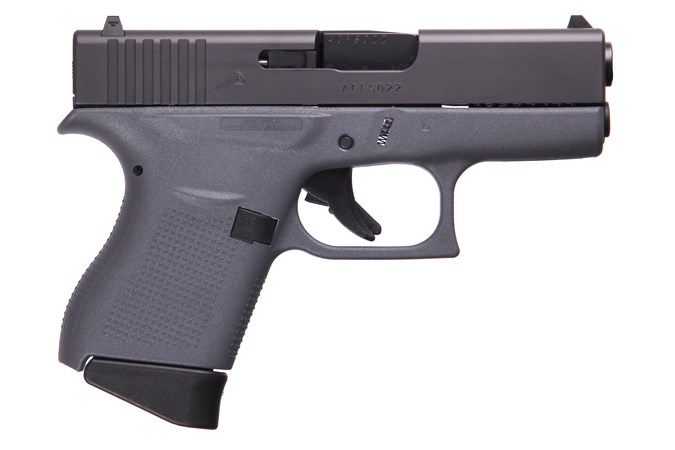
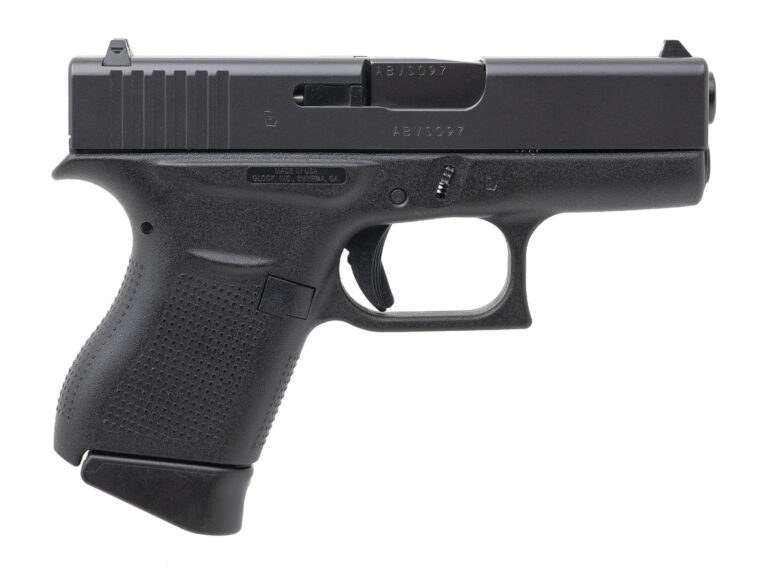
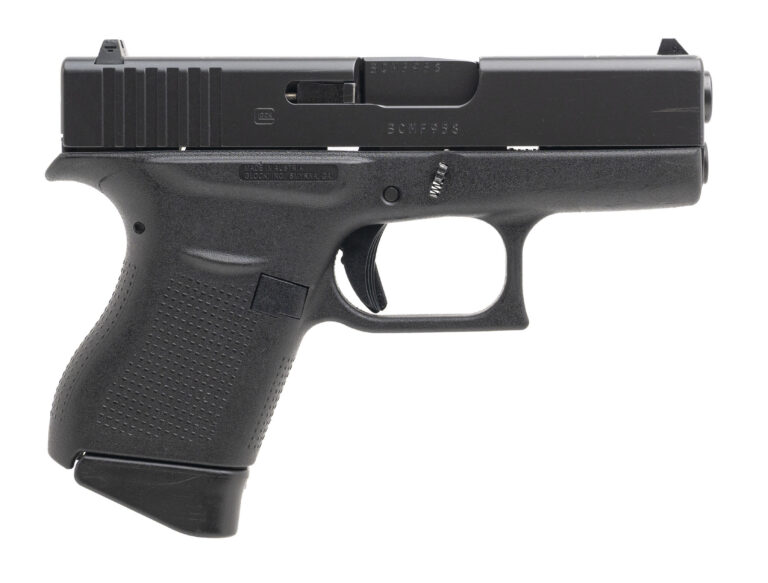
Gen 1 through Gen 3 pistols use a polymer guide rod with a single flat-wire or round-wire spring rated at about 17 pounds for the 9mm Glock 17 and 19, captured on the rod as one assembly. Gen 4 and Gen 5 pistols use a dual recoil spring assembly: an inner and outer spring on a steel rod, captured, and rated as a unit. The two designs are not interchangeable without an adapter; a Gen 3 assembly will not seat in a Gen 4 or Gen 5 slide, whose recoil spring tunnel is larger. Subcompact models use a dual assembly in every generation, and the slimline 43, 43X and 48 use their own short dual assembly.
What spring weight changes
A heavier spring slows the slide, softens the impact at the rear of its travel and returns it harder into battery. A lighter spring lets the slide open with less energy, which helps light target loads cycle and reduces the felt jump of the muzzle, at the cost of a harder slide hit on the frame. Factory weight works for factory ammunition. Change it when the pistol tells you to: failures to eject or a slide that does not lock back on light loads point to a lighter spring; brass thrown far, a battered frame or a compensator that is not cycling cleanly point to a heavier one. Compensated pistols usually run a lighter spring, since the comp bleeds gas that would otherwise drive the slide. Common aftermarket weights run from about 11 to 20 pounds in one or two pound steps for the 9mm full-size and compact frames.
Steel and tungsten guide rods
A steel guide rod replaces the polymer rod and lets you fit uncaptured springs of any weight, which is the real reason to buy one. A tungsten rod does the same and adds an ounce or two under the muzzle, which some shooters feel as less flip; others feel nothing. Neither makes the pistol more reliable than the factory assembly, and a rod that is slightly long or has a poorly fitted head can cause the slide to bind. Buy from a maker who cuts rods for the exact model and generation, and confirm the rod head seats in the barrel lug and the slide closes fully by hand before you shoot.
Replacement intervals
Glock's armorer guidance and most instructors put the recoil spring assembly at roughly 3,000 to 5,000 rounds for the dual assemblies and around 3,000 for the older single springs, less with +P ammunition. The signs of a tired spring are brass landing farther and farther back, failures to return to battery and a slide that feels loose when you rack it. Springs are cheap; replace on schedule and keep a spare in the range bag. When you replace the assembly, replace the magazine springs and the slide lock spring at the same interval and inspect the trigger spring.
Matching spring to slide
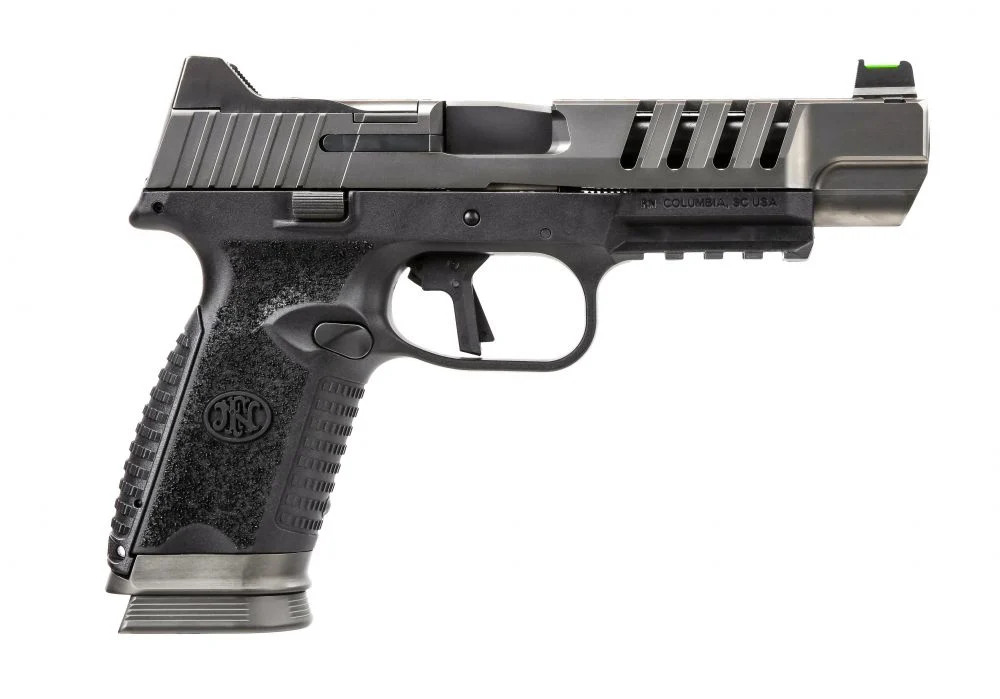
A lightened slide with windows and ports has less mass and cycles faster, which usually wants a lighter spring; a slide carrying a heavy enclosed-emitter optic has more mass and may want a heavier one. Test with the ammunition you will actually shoot: run a magazine, check that the slide locks back on the last round, and look at where the brass lands. Between three and six feet to the side is about right for a 9mm; brass at your feet means the spring is too heavy, brass in the next bay means too light.
Subcompact and slimline assemblies
The Glock 26, 27 and the other subcompacts use a short dual assembly in every generation, and the slimline 42, 43, 43X and 48 use their own even shorter assembly, so a spring bought for a Glock 19 will not fit them. Aftermarket weights for these small pistols are fewer, and the factory assembly is usually the right answer for a carry gun. Replace them on the same schedule as the larger models; the short springs work harder and a tired one shows up as a failure to return to battery.
Installing an uncaptured spring
Field strip the pistol and remove the factory assembly. Slide the new spring over the rod, hold the rod head against the barrel lug with the spring compressed, and seat the tip in the slide's recess; wear eye protection, because an uncaptured spring will launch across the room if the rod slips. Reassemble, rack the slide several times and confirm it returns fully. Captured aftermarket assemblies avoid this and are the better choice for a carry gun.
Which to buy
- Carry or duty pistol: factory assembly, replaced on schedule.
- Range gun with light loads: steel rod with a 13 to 15 pound spring.
- Compensator or ported barrel: steel rod with an 11 to 13 pound spring, tested with your load.
- +P or 10mm hunting loads: 20 to 22 pound spring in the Glock 20 or 40.
Guide rods and springs ship to your door. Browse guide rods and recoil springs, see how a lightened slide changes the spring you need in the slide guide, and find the whole sequence in the upgrade order.
General information, not legal advice. Current as of September 2026. Laws change; check the official source before you act.