Aftermarket Glock slides and optic cuts explained
Putting a red dot on a Glock means putting a cut in a slide. You can have the factory slide milled, buy an MOS pistol with adapter plates, or buy an aftermarket slide with the cut already made and a new look on top. This guide compares the three, explains optic footprints, and lists the parts a stripped slide needs before it will run.
Three ways to mount a dot
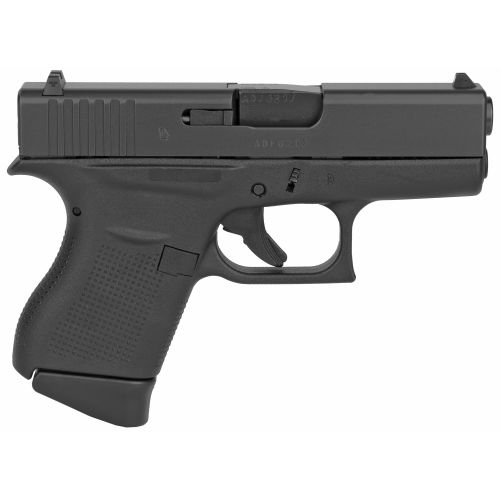
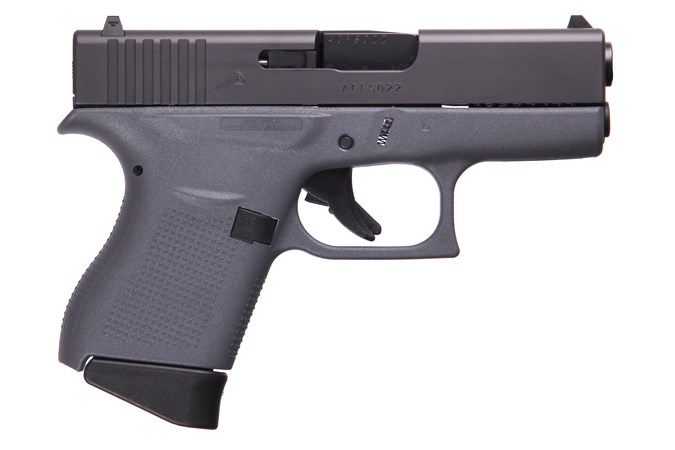
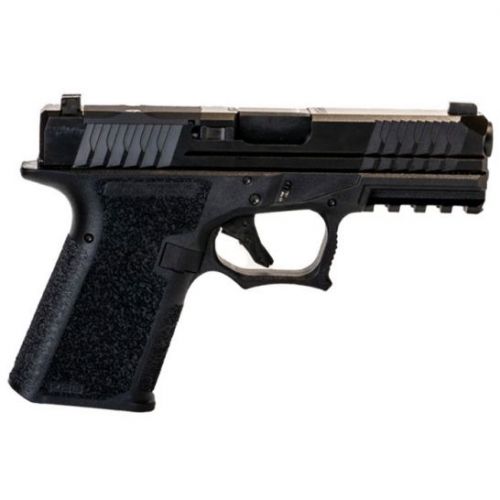
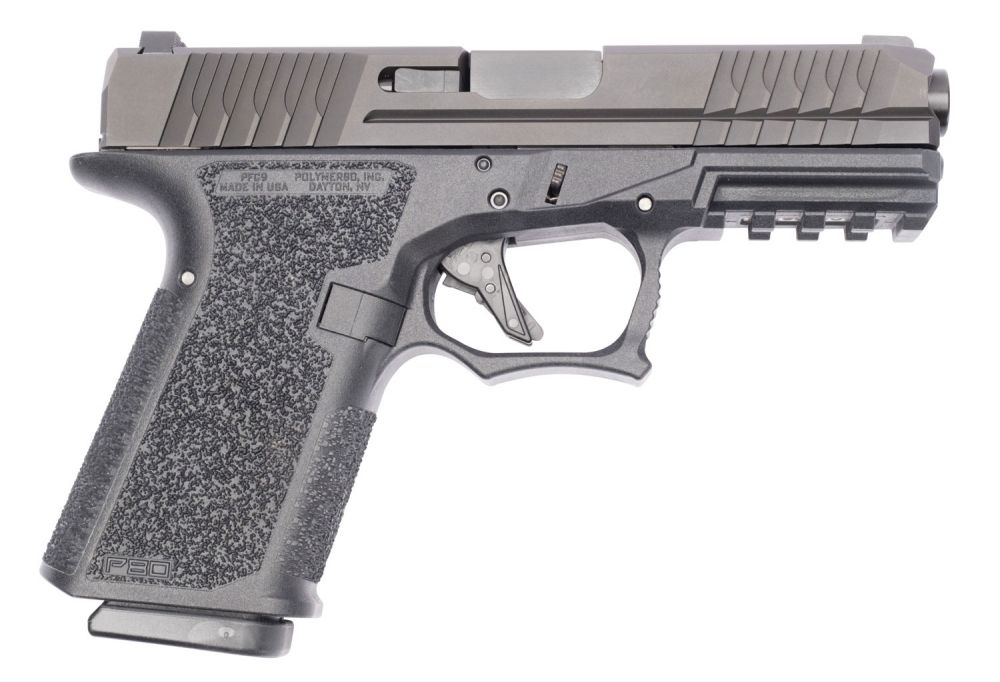
Milling the factory slide is the cheapest if you already own the pistol and the cleanest, because the optic sits directly on steel at the lowest possible height. The cost is the machining, a week or two without the slide, and a cut that fits one footprint. MOS pistols come cut for a plate system: the plates let you change optics but add height and a second set of screws that can loosen. Aftermarket slides are made from bar stock, usually 17-4 stainless, and come cut for a footprint, coated, often with front serrations and lightening cuts; they leave the factory slide untouched for resale and take the least time.
Footprints
A footprint is the pattern of screw holes and recoil bosses an optic uses. The common ones on Glock slides are the Trijicon RMR footprint, shared by the Holosun 407C and 507C and many others; the Shield RMSc footprint used by slim optics such as the Holosun 407K and 507K and the RMRcc; the Docter and Noblex pattern used by some older and budget optics; and the Aimpoint ACRO pattern for enclosed emitters. Slimline Glocks take RMSc-pattern optics because the slide is too narrow for an RMR. Buy the slide for the optic you own or will buy, and check whether the maker cut it with recoil bosses, which stop the optic shearing its screws.
Generation fit
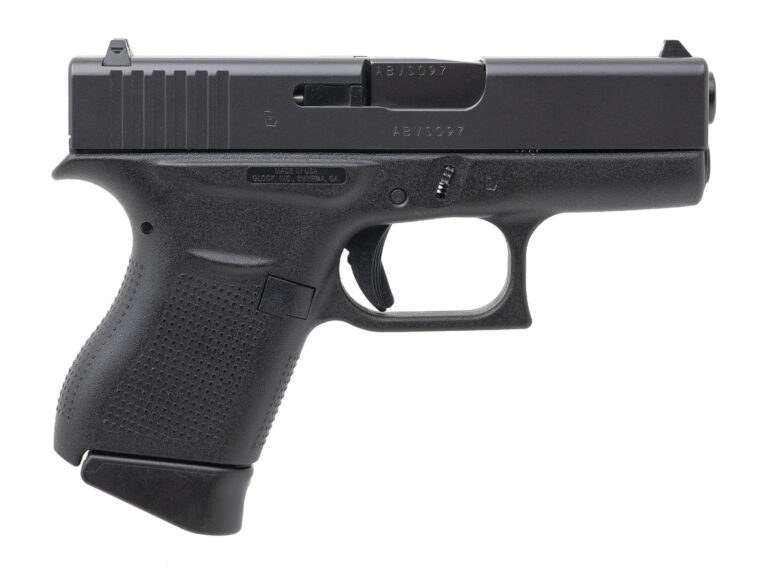
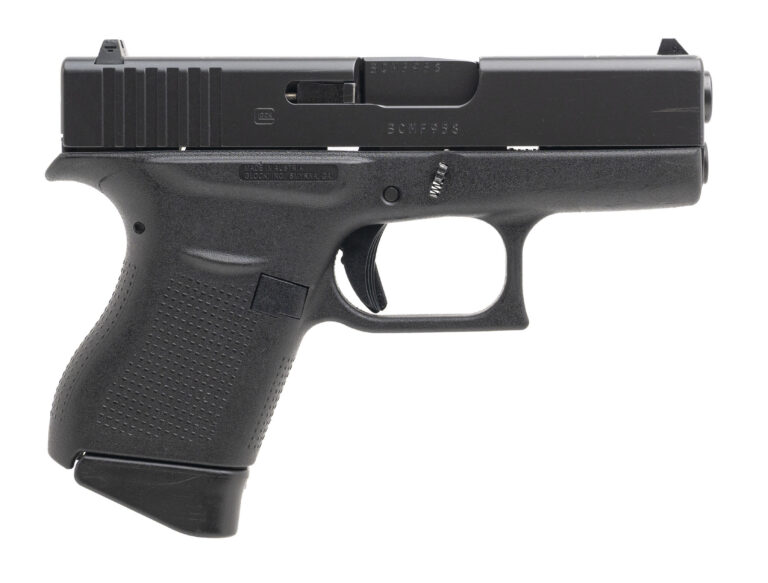
Gen 3 pattern slides are the most common aftermarket slides and fit Gen 3 frames and most build frames sold for that pattern. A Gen 3 slide also runs on a Gen 4 frame in most models, since the frame rails did not change. Gen 5 slides are their own pattern: the front is beveled, the rails and locking block lug differ, and the Gen 5 ambidextrous slide stop needs a slide cut for it. Do not put a Gen 3 slide on a Gen 5 frame or the reverse. Model size matters too: a Glock 19 slide needs a Glock 19 barrel and recoil assembly and a compact frame.
Stripped versus complete
A stripped slide is bare steel. To run it you need the slide completion parts: extractor with its depressor plunger, spring and bearing; firing pin, firing pin spring, spring cups and spacer sleeve; firing pin safety and its spring; channel liner; slide cover plate; and sights. A complete slide includes all of that and often a barrel and recoil assembly. Completion kits are sold as sets; use factory or well-known parts for the firing pin safety and extractor, since those are the parts that decide reliability. The extractor is caliber specific and the Gen 5 extractor differs from earlier ones.
Coatings
Most aftermarket slides are finished in salt-bath nitride, also sold as QPQ or Melonite, which hardens the surface and resists rust well; DLC is a harder, thinner coating with a similar look; Cerakote adds color at the cost of wearing at the rails and the muzzle. Any of them beats bare stainless for a carry gun, and all of them are fine on a range gun.
Weight and lightening cuts
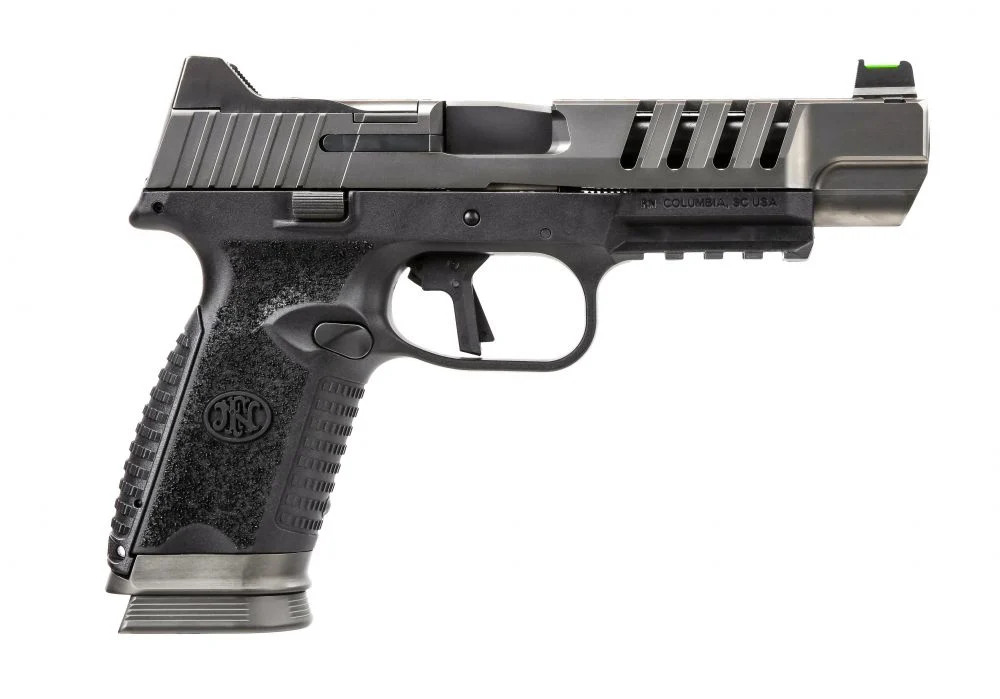
Windows and ports cut into the slide reduce its weight, which speeds the slide and can change reliability with the factory recoil spring. A lighter slide usually wants a slightly lighter spring, and a slide with a heavy optic on top may want a heavier one. Expect to test a few spring weights when you change slide mass, and read the recoil spring guide before you order.
Barrel and recoil assembly with a new slide
A slide is only half of the upper. Your factory barrel and recoil assembly move across to an aftermarket slide of the same model and generation without change, so a stripped slide plus your existing parts is the cheapest way in. Buy a barrel with the slide when you want threads, a different finish to match, or conventional rifling for lead bullets. Check that a threaded barrel is legal where you live before ordering; a few states restrict them on handguns. A lighter or heavier slide often wants a different recoil spring, and the maker's page usually says which weight they tested with. Keep the factory upper together in a box so the pistol can go back to stock in five minutes.
What to check before you buy
- Model and generation: 19 Gen 3 is not 19 Gen 5.
- Footprint: RMR, RMSc, ACRO or a plate system.
- Sight cuts: standard Glock dovetail and front hole, so your sights transfer.
- Bosses and screw depth: the optic's screws must not touch the firing pin channel.
- Included parts: stripped, completion kit included, or complete with barrel.
Fitting
A good slide should drop onto the frame and cycle by hand with the factory barrel and recoil assembly. Tight rails can be worked in with a few hundred rounds; a slide that binds is wrong and should go back. Mount the optic with the maker's screws and a torque driver, use blue thread locker, and confirm zero after the first hundred rounds when the screws have settled. Suppressor-height sights let you keep shooting when the battery dies; see the sights guide.
Slides ship to your door in every state. Browse Glock slides and barrels, and see where a slide sits in the upgrade order.
General information, not legal advice. Current as of September 2026. Laws change; check the official source before you act.